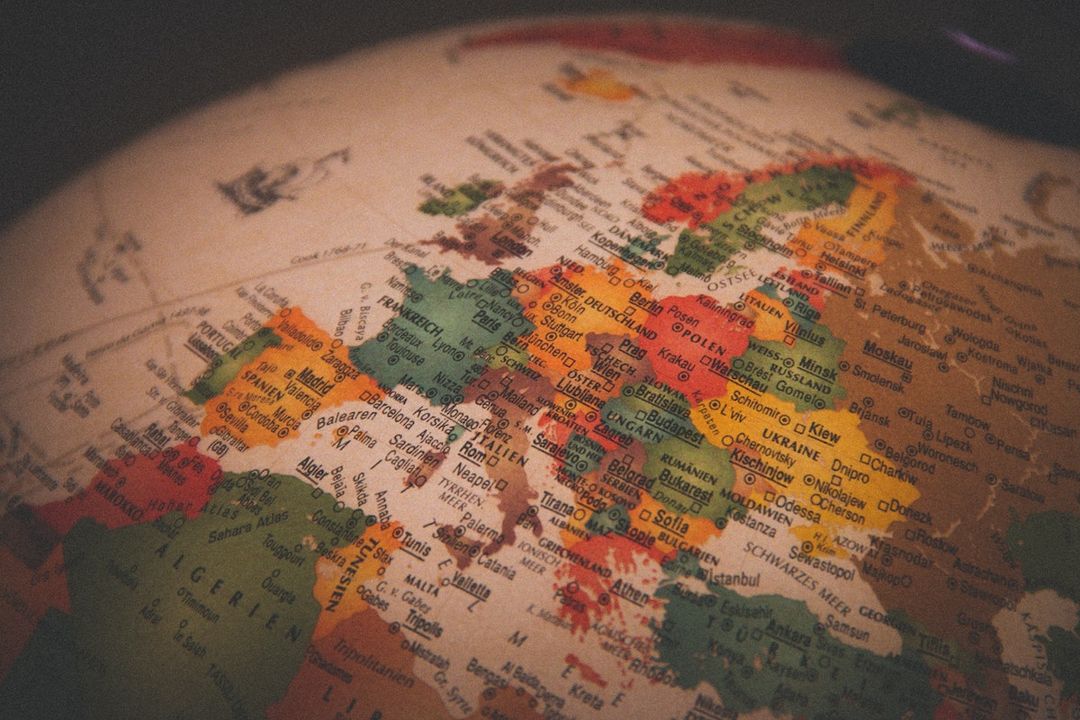
The old energy map was drawn around pipelines, ports, and fuel reserves. The emerging one adds transmission lines, critical minerals, battery factories, interconnectors, data centres, and places where wind and sun are abundant.
That shift can reduce one vulnerability while creating another. A country may import less fuel but depend more heavily on components, processing capacity, software, or a neighbouring grid.
A useful forecast therefore tracks more than generation. It follows the chain of materials, infrastructure, finance, and political agreements that turns potential energy into reliable power.
This is the layer below the headline.